
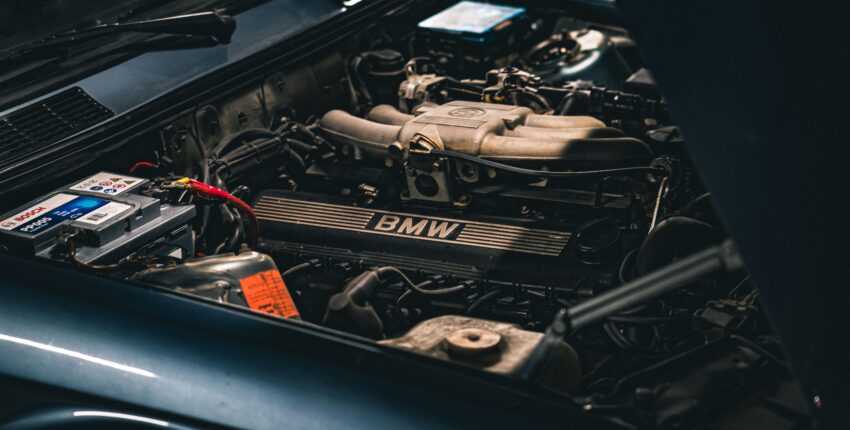
If you own an early BMW 328i, 320i, X1 or X3, a new rattle or whine from the engine deserves attention. Some BMWs with N20 and N26 four-cylinder engines can develop excessive wear in the timing-chain system and its guides. If a chain loses tension, jumps timing or breaks, the result can be serious engine damage.
That does not mean every N20 or N26 engine is destined to fail, or that every engine noise points to the timing chain. It does mean that recognizing symptoms early and arranging a proper inspection can help you make an informed decision before a small concern becomes a major repair.
What are the N20 and N26 engines?
The N20 is a turbocharged 2.0-litre four-cylinder engine used in a range of BMW models. The closely related N26 was used in certain emissions-compliant versions, particularly in the US market. Depending on the model, market and production date, N20 or N26 engines appeared in cars including the 320i and 328i, and SUVs such as the X1 xDrive28i and X3 xDrive28i. Other BMW models used these engines as well.
Owners often refer to the affected vehicles as early 2010s models, roughly covering 2011–2016. That’s a useful starting point, not a reliable way to confirm your engine. Model years, engine versions and production dates vary. A VIN-based check is the best way to identify the engine in your specific BMW.
The timing chain synchronizes the crankshaft and camshafts so the engine’s valves open and close at the correct time. Guide rails and a tensioner help keep the chain tracking properly. If the chain or its guides wear, the chain can develop slack. Plastic guide rails can become brittle with age and heat; if one cracks or breaks, the chain may move out of position. In a severe case, it can jump teeth or snap, disrupting valve timing and potentially causing extensive internal engine damage.
BMW has published service information on timing-chain and oil-pump-drive-chain wear for specified N20 and N26 applications. The bulletin is not a recall, and vehicle eligibility depends on details such as the VIN and production date. You can read the BMW service bulletin for its listed models and diagnostic procedures. Its information is useful context, but it does not confirm that a particular vehicle needs a repair.
Warning signs worth checking
Symptoms can vary, and none of these signs alone proves the timing chain has failed. If you notice a change, describe when it happens and have the engine assessed rather than relying on sound alone.
Rattle or clatter on a cold start
A brief metallic rattle shortly after a cold start (especially if it is new, getting louder or lasting longer) can be a reason to investigate chain tension or guide wear. A noise that fades after a few seconds still deserves attention if it is recurring. Other engine components can also rattle, so diagnosis matters.
A whine that changes with engine speed
BMW service information identifies a high-pitched whine from the lower engine area that increases in frequency with engine RPM as a symptom requiring diagnosis. Because the sound may relate to the oil-pump drive chain as well as the timing chain, an inspection should consider both systems.
A warning light, rough running or loss of power
If engine timing becomes unstable, your BMW may illuminate the check-engine light or run roughly. A technician’s scan may reveal faults related to camshaft timing or correlation. These results can help guide diagnosis, but a fault code on its own is not a verdict: other problems can produce similar symptoms.
Debris found in the oil or filter
Plastic fragments or metallic debris in the oil or filter may point to internal wear. If debris is found, it should be identified and assessed in context; its presence does not by itself establish exactly which part has failed.

Why it is risky to wait
A worn guide or loose chain may not cause immediate, dramatic symptoms. But if the chain jumps timing, the engine’s valves and pistons may no longer move in sync. If the chain breaks, the damage can be severe and may require extensive engine repair or replacement.
That’s why a new or worsening rattle, an RPM-related whine or an engine fault that returns after clearing should not be dismissed. If the engine is making a severe noise, stalling, losing power suddenly or showing an oil-pressure warning, stop driving when it is safe to do so and arrange professional advice. Continuing to run a seriously compromised engine can increase the damage.
Why N20 and N26 repairs need specialist diagnosis
A timing-chain repair is more than replacing a visible part. The technician needs to establish whether the noise or fault actually comes from the timing chain, the oil-pump drive chain or another component. That means combining the vehicle’s history and symptoms with a BMW-capable scan and the appropriate mechanical checks.
BMW’s published procedure includes dedicated diagnostic steps for assessing chain wear. Correct diagnosis helps avoid two costly outcomes: replacing parts that are not faulty, or overlooking a developing chain problem because the warning signs seem minor.
If repair is confirmed, the scope matters. Depending on test results and the vehicle, the work may involve the timing chain, guide and slide rails, tensioner, sprockets and related oil-pump-drive components. The parts and procedure should match the BMW’s engine and build details. An experienced BMW mechanic should also follow the relevant repair instructions and verify the engine’s timing before the vehicle returns to the road.
For drivers looking for a BMW mechanic in Vancouver, a specialist can explain what the diagnostic results show, what repair is recommended and why. MADA Autosport’s BMW repair specialist information explains the value of BMW-specific knowledge and diagnosis.
Preventive replacement or wait for symptoms?
There isn’t one answer that fits every N20 or N26 BMW. Replacing the chain system before it shows a problem may make sense in some cases, especially if the vehicle has a concerning service history, symptoms or inspection findings. But age or model name alone does not confirm that replacement is necessary.
A careful decision starts with the VIN and production details, any records showing previous chain work, the owner’s description of symptoms and the results of appropriate diagnostic checks. Ask the shop to explain whether the evidence supports replacement or monitoring. If the chain system tests within specification and there are no relevant symptoms, a technician may recommend continued monitoring rather than immediate work.
Following the maintenance schedule and addressing new engine noises promptly are practical steps, but routine servicing cannot guarantee that chain wear will not occur. MADA’s guide to BMW maintenance essentials offers more general guidance on keeping your vehicle in good condition.
Get a clear assessment in Vancouver
A timing-chain concern can be stressful, but an early inspection gives you better information before you decide what to do. If your 320i, 328i, X1, X3 or another N20/N26 BMW has a cold-start rattle, an engine-speed-related whine, recurring timing faults or debris in the oil, don’t rely on guesswork or wait for the engine to get louder.
MADA Autosport is located in Vancouver, BC, and provides BMW repair in Vancouver for owners who want specialist attention and a clear explanation of the findings. Book an inspection through our contact page so we can assess the symptoms and discuss the next steps for your BMW.