
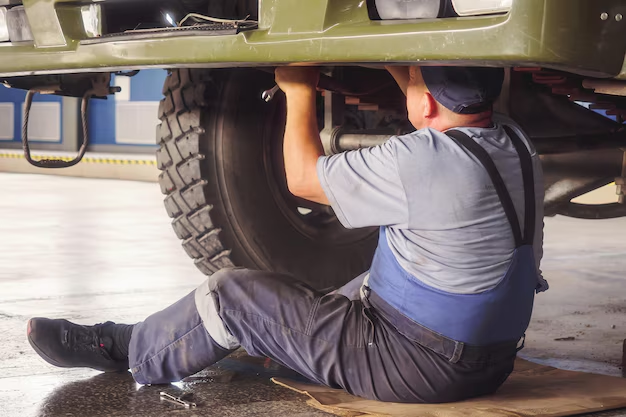
When it comes to enhancing your car’s performance and personalizing your driving experience, the exhaust system plays a pivotal role. It’s not just about making your vehicle sound cooler; the right exhaust can improve your car’s horsepower, fuel efficiency, and even its overall lifespan. In this guide, we’ll walk you through everything you need to know to choose the perfect exhaust system for your car, with a special focus on performance exhausts.
Understanding the Basics of Exhaust Systems
Exhaust systems are more than just pipes and mufflers. They are crucial for the proper functioning of your vehicle’s engine. By directing and expelling gases produced during combustion, they help maintain optimal engine performance and reduce harmful emissions. Think of it as the lungs of your car—efficient breathing leads to better performance.
Components of an Exhaust System
An exhaust system typically consists of several components, each playing a unique role. These include the exhaust manifold, catalytic converter, resonator, muffler, and tailpipe. Understanding each part can help you make an informed decision when upgrading or replacing your exhaust system. For example, the catalytic converter is crucial for reducing harmful emissions, which not only helps the environment but can also keep your car in compliance with local emissions regulations.
The Role of Exhaust Flow
The flow of exhaust gases is critical to your car’s performance. A well-designed exhaust system minimizes back pressure, allowing gases to exit the engine more efficiently. This improved flow can lead to increased horsepower and better fuel economy. Imagine you’re trying to run a marathon while breathing through a straw; that’s what high back pressure does to your engine. By reducing this pressure, your engine can perform more efficiently, similar to how a runner performs better with unrestricted breathing.
Sound vs. Gains: Finding the Right Balance
One of the most common reasons for upgrading an exhaust system is to improve the sound of your vehicle. However, it’s important to balance sound with performance gains to ensure you’re getting real benefits.
Enhancing Sound
Performance exhausts often come with a deeper and more aggressive sound, which many car enthusiasts find appealing. However, the sound should not be so loud that it becomes annoying or illegal in your area. Considerations like local noise regulations should be taken into account when selecting an exhaust for sound enhancement. In cities like Vancouver, BC, noise restrictions are enforced to maintain a peaceful environment, so it’s crucial to choose an exhaust that complies with these regulations.
Performance Gains
While a louder exhaust might sound powerful, it doesn’t always translate to performance gains. Look for systems that offer dyno-proven power increases. These systems are designed to optimize exhaust flow and reduce back pressure, genuinely enhancing your vehicle’s performance. For instance, a performance exhaust might increase horsepower by 5-10%, a noticeable difference when accelerating or towing. It’s essential to choose an exhaust that not only sounds good but also delivers measurable performance improvements.
Choosing the Right Material
The material of your exhaust system affects its performance, durability, and cost. Common materials include mild steel, aluminized steel, and stainless steel.
Mild Steel and Aluminized Steel
These materials are cost-effective and offer decent performance. However, they are more prone to rust and corrosion, especially in wet climates like Vancouver, BC.
Stainless Steel
Stainless steel exhausts are more durable and resistant to rust, making them ideal for regions with frequent rain. They are more expensive but provide long-term value due to their longevity. In the long run, the initial investment in stainless steel can save you money on replacements and repairs.
Deciding Between Cat-Back, Axle-Back, and Header-Back Systems
When upgrading your exhaust, you’ll encounter terms like cat-back, axle-back, and header-back systems. Each has its pros and cons.
Cat-Back Systems
A cat-back system includes the pipework and components from the catalytic converter to the rear of the car. It’s a popular choice for those looking to improve sound and performance without significant modifications.
Axle-Back Systems
Axle-back systems replace the exhaust components from the rear axle to the exhaust tip. They are often less expensive and easier to install but offer smaller performance gains compared to cat-back systems. Simple maintenance like cleaning the exhaust tips can keep them looking and performing their best.
Header-Back Systems
These systems replace the entire exhaust from the headers to the tailpipe, providing the most significant performance gains. However, they are more complex to install and can be costly. While they offer substantial performance improvements, regular inspections for leaks and wear are crucial to maintaining their efficiency.
Installation Considerations
Installing a new exhaust system can be a DIY project, but there are factors to consider to ensure a smooth installation.
Professional Installation vs. DIY
While installing an exhaust system yourself can save money, it requires specific tools and skills. If you’re not confident in your abilities, it’s best to seek professional help. MADA Autosport Inc. in Vancouver, BC, offers expert installation services to ensure your exhaust system is properly fitted. A professional installation not only guarantees optimal performance but also ensures compliance with local regulations, which can save you from potential fines.
Legal and Warranty Implications
Before installing a new exhaust system, check local regulations to ensure it’s street legal. Additionally, some modifications may void your car’s warranty, so confirm with your manufacturer or dealer beforehand. For example, an aftermarket exhaust might void the warranty on your vehicle’s emissions system. Always keep documentation of your purchase and installation to address any warranty-related issues.
Seasonal and Local Considerations
Living in Vancouver means dealing with a wet climate, which can affect your exhaust system choice.
Weather and Material Choice
The frequent rain in Vancouver can accelerate rusting in exhaust systems made of mild or aluminized steel. Opting for stainless steel can prevent corrosion and extend the life of your system. Regularly washing your car, especially the undercarriage, can help remove salt and debris that contribute to rust.
Local Regulations
Be aware of noise restrictions and emissions regulations in your area. A performance exhaust should comply with these rules to avoid fines and other legal issues. It’s wise to consult with local automotive experts or authorities if you’re unsure about specific regulations.
Making the Final Decision
Choosing the right exhaust system involves balancing sound, performance gains, material choice, and local considerations. Each car and driver has unique needs, so take the time to evaluate your options. Consider your budget, driving habits, and long-term goals for your vehicle. Reach out to MADA Autosport Inc. in Vancouver for expert advice and installation services. Their knowledgeable team can help you find an exhaust system that meets your needs and enhances your driving experience.