

Owning a BMW is an experience defined by precision engineering, exhilarating performance, and a level of sophistication that few other marques can match. To maintain this "Ultimate Driving Machine," meticulous attention to detail is required, particularly regarding its most vital lifeblood: the engine oil.
While an oil change may seem like a routine, entry-level maintenance task, the high-performance nature of BMW engines means that standard "quick-lube" approaches often fall short. At MADA Autosport Inc., we frequently see the long-term consequences of seemingly minor oversights. For the discerning owner, understanding the nuances of BMW service and maintenance is not just about avoiding repairs; it is about safeguarding a significant investment.
Here are the seven most common mistakes owners make with their BMW oil changes and the professional steps you should take to correct them.
1. Following the 15,000-Mile Interval Myth
Many modern BMWs come with a factory-recommended oil change interval that stretches as far as 15,000 miles (or roughly 24,000 kilometers). While advancements in synthetic oil technology are impressive, these extended intervals are often designed with "total cost of ownership" marketing in mind rather than peak engine longevity.
The Mistake: Relying solely on the onboard computer’s countdown, which often ignores the reality of stop-and-go Vancouver traffic, short commutes, and varying temperatures.
The Consequence: Over time, oil breaks down and loses its ability to suspend contaminants. This leads to sludge buildup in critical areas like the VANOS (variable valve timing) units and can cause premature wear on turbocharger bearings.
The Action: We recommend a more conservative and proactive approach. Change your oil every 5,000 to 7,500 miles (8,000 to 12,000 km). This ensures that the additives in your oil remain potent enough to protect your engine's sophisticated internal components.
2. Using Generic or Non-Approved Oil
BMW engines are designed with tight tolerances and specific metallurgical compositions, particularly in the cylinder walls and bearings. Using an oil that "meets the weight" (e.g., 5W-30) is not enough if it does not meet the specific chemical requirements set by the manufacturer.
The Mistake: Using a generic synthetic oil that lacks the BMW Longlife (LL-01 or LL-04) certification.
The Consequence: Generic oils may lack the specific detergent packages required to prevent carbon buildup in BMW’s direct-injection systems. This can lead to decreased fuel efficiency and a noticeable drop in performance.
The Action: Always verify that the oil being used is specifically BMW LL-01 or LL-04 approved. These oils are formulated to handle the high heat and shear forces unique to European performance engines. Utilizing the correct BMW car maintenance products is essential for long-term reliability.
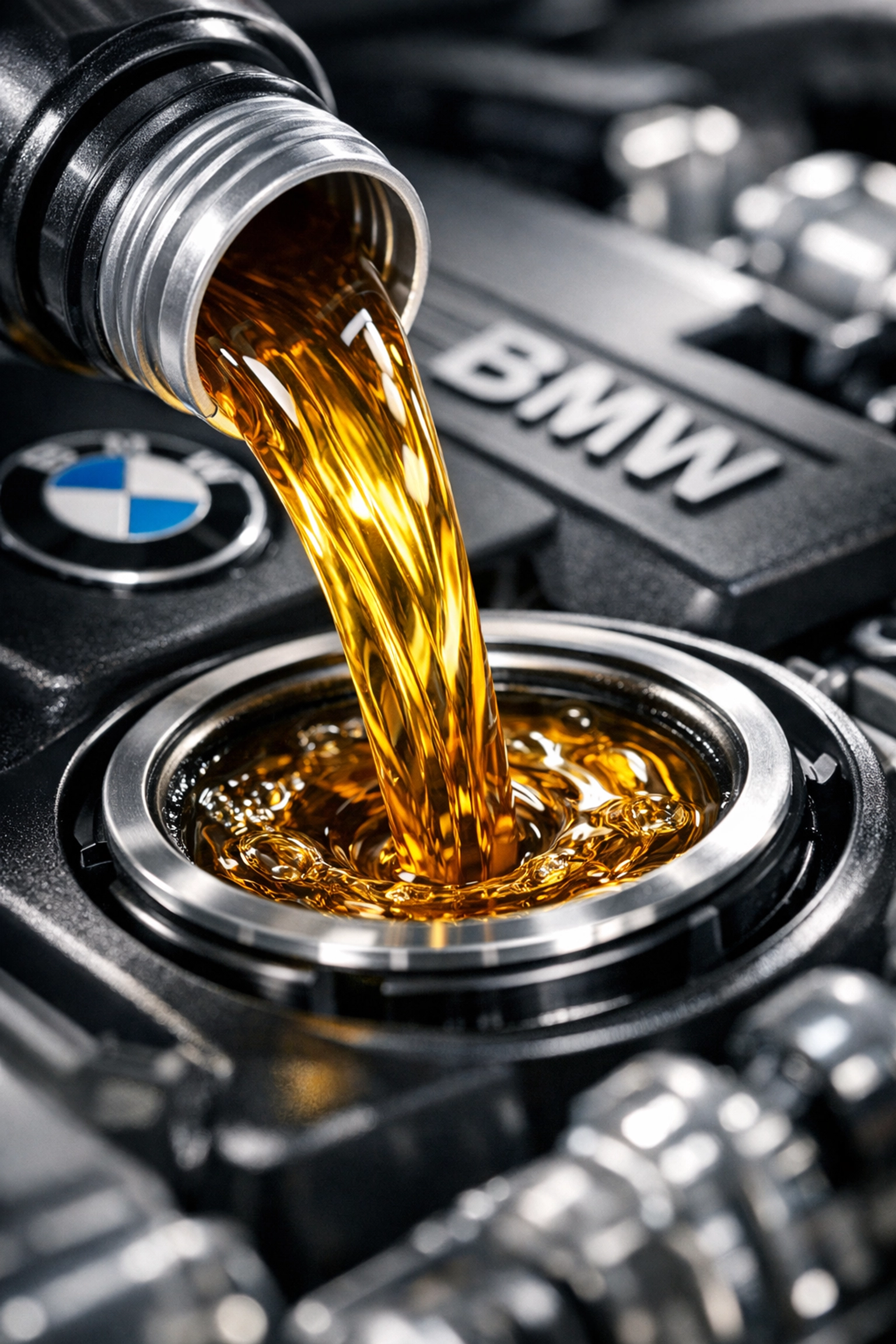
3. Choosing Low-Quality, Aftermarket Filters
The oil filter is the silent guardian of your engine. In a BMW, the filter is typically a "cartridge" style, which requires precise fitment within the housing to ensure oil is actually being filtered rather than bypassing the element.
The Mistake: Opting for the cheapest filter available at a local parts store or a generic "all-makes" service center.
The Consequence: Low-quality filters often use inferior paper media that can collapse under high pressure. Furthermore, poor-quality O-rings can lead to slow leaks or, in extreme cases, a loss of oil pressure that can catastrophically damage the engine in seconds.
The Action: Use only Original Equipment Manufacturer (OEM) filters, such as those from Mann, Mahle, or Hengst. These filters are engineered to withstand the specific flow rates of your BMW engine.
4. Ignoring the Annual Time Limit
Many enthusiasts keep their BMWs as weekend cars, driving only a few thousand kilometers a year. It is a common misconception that if you haven't hit the mileage limit, the oil is still "fresh."
The Mistake: Waiting two or three years to change the oil because the car has only been driven 3,000 kilometers.
The Consequence: Oil is hygroscopic, meaning it absorbs moisture from the air. Short trips prevent the engine from reaching full operating temperature, which prevents that moisture from evaporating. This creates an acidic environment inside the crankcase, leading to internal corrosion and seal degradation.
The Action: Regardless of mileage, your BMW requires an oil change at least once per year. This removes accumulated moisture and combustion byproducts that can degrade your engine while it sits in the garage.

5. Improper Draining and Level Measurement
Modern BMWs have moved away from the traditional dipstick in favor of electronic oil level sensors. This transition has led to significant errors during the DIY process or at non-specialist shops.
The Mistake: Not allowing the oil to drain completely or failing to check the level via the iDrive system correctly after the refill.
The Consequence: Overfilling an engine is just as dangerous as underfilling it. Excessive oil can lead to "foaming," where the crankshaft whips air into the oil, reducing its lubricating properties. It can also put undue pressure on the rear main seal.
The Action: When performing a service, the vehicle must be level, and the drain plug should be left open until the flow has completely stopped. Once refilled, the engine must be brought to operating temperature on a level surface before the electronic measurement is considered accurate. For those who want precision, seeking a professional BMW mechanic ensures these steps are followed to the letter.
6. Neglecting the Crush Washer and Housing Torque
The details matter. A BMW oil change involves more than just swapping fluid; it involves securing the system against leaks and pressure loss.
The Mistake: Reusing the old copper or aluminum crush washer on the drain plug, or overtightening the plastic oil filter housing cap.
The Consequence: Reused washers are prone to slow drips that can coat your undercarriage and driveway. Conversely, overtightening the filter housing can crack the plastic or damage the threads, leading to an expensive replacement of the entire housing assembly.
The Action: Always use a fresh crush washer (usually included with a quality filter kit). Use a calibrated torque wrench to tighten the oil filter cap and drain plug to the factory-specified Newton-meters (typically 25Nm for most models).
7. Failing to Perform a Full Vehicle Inspection
An oil change is the best opportunity to catch small issues before they become "engine-out" repairs.
The Mistake: Treating an oil change as a "transaction" rather than an "inspection."
The Consequence: Many owners miss the early signs of a leaking valve cover gasket, a fraying serpentine belt, or worn suspension bushings because they only focused on the oil.
The Action: A specialized BMW oil change should always include a comprehensive visual inspection. At MADA Autosport, we look for common BMW-specific failure points, such as oil filter housing leaks or coolant hose degradation. This proactive approach is what separates basic maintenance from true performance preservation. If you are experiencing other issues, such as braking concerns, it's the perfect time to investigate BMW brake repair.

Why a Specialized BMW Oil Change in Vancouver Matters
Vancouver’s climate and geography present unique challenges for BMW owners. From the damp, coastal air that contributes to moisture buildup to the steep inclines and heavy traffic that strain cooling systems, your vehicle works hard.
Taking your vehicle to a generalist shop might save a few dollars in the short term, but a BMW specialist understands the nuances of the N55, B58, or S55 engines. We utilize factory-level diagnostic tools to reset your service indicators correctly and ensure that your vehicle's software is communicating accurately with its hardware.
At MADA Autosport Inc., we view an oil change as a vital investment in your car's future. Our technicians are trained to handle the sophistication of the BMW brand with the meticulous care it deserves.
Safeguard Your Performance Today
Don't leave the health of your engine to chance or generic service standards. By avoiding these seven common mistakes, you ensure that your BMW continues to deliver the power and refinement you fell in love with on day one.
Ready to give your BMW the expert care it needs? Contact us today to schedule your specialized oil service and comprehensive vehicle health check. Your Ultimate Driving Machine deserves nothing less.